


Latte Art
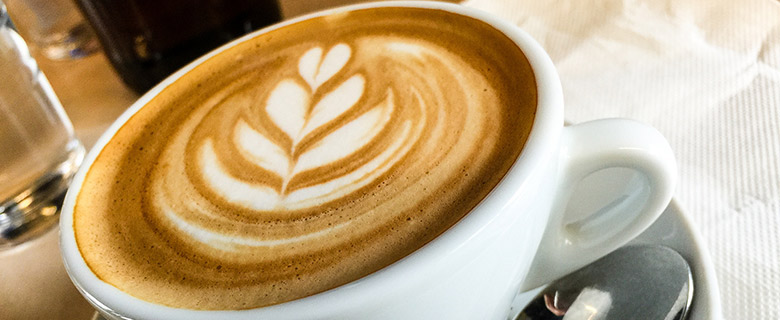
The rise of the gourmet coffee culture brings with it a host of talented baristas and they like to showcase their skills. Latte art has become more and more popular in recent years, partly due to coffees rise in popular culture and partially due to the technological advances of coffee brewing machinery.
The actual concept of latte art is this; pour milk into espresso to make a pattern, simple.
However, some of the resulting designs are truly breathtaking.
Whether it’s a swan, a love heart, a portrait (Einstein to Darth Maul) or a 3D giraffe climbing out of your coffee to look at you… the principle is still the same.
The problems arise when you consider the medium of the art, milk. Or more specifically, foamed milk.
There is a level of skill in this.
Firstly there is selecting the right kind of milk, which is usually whole milk due to the fact it foams easier. Then you have to run enough steam through the very top to whip it into the right consistency then heat the rest of the milk through by plunging the wand to the bottom of the milk jug, without burning the whole lot.
If the steamed milk foam contains too many bubbles, they will pop and as a result any latte art will look deflated. However, not foamed enough and you are essentially adding hot milk to coffee, it will mix and turn the coffee a lighter shade of brown, no art involved.
If the milk is foamed properly in the hands of a trained barista and the coffee machinery they are working on creates a quality espresso shot…then the pouring is the final challenge of the latte artist.
An easier way to get a detailed and more stylised design on top of your foamy coffee cup (might be considered cheating though) is to drizzle chocolate or coffee syrups on top and then manipulate the lines with an implement, probably a spoon.
We do recommend that you try this at home, it’s a lot of fun and you can come up with some pretty detailed designs, the trick is to pour slowly and take you time.
Failing that go see your local barista and they’ll be more than happy to show you how it is done.